
Pastor Nicole takes on a big one: Purity Culture. The purity culture myth shaped an entire generation in ways many of us are still uncovering. What was framed as a path to holiness often became a system built on fear, shame, and strict expectations. It didn’t just influence behavior. It reshaped identity, self-worth, and how people understood God.
How It Started
Purity culture grew rapidly throughout the 1990s and early 2000s, especially within evangelical churches. Church leaders taught teens that their spiritual value rose or fell with sexual abstinence. They placed the responsibility on girls to dress modestly so boys wouldn’t “stumble,” and they trained boys to see their own desire as something dangerous. These messages created an atmosphere where fear felt holy and compliance felt like spiritual success.
Over time, many young people internalized the idea that one mistake could permanently damage their worth. That belief didn’t fade with age. It followed them into adulthood.
The Purity Culture Myth Impact
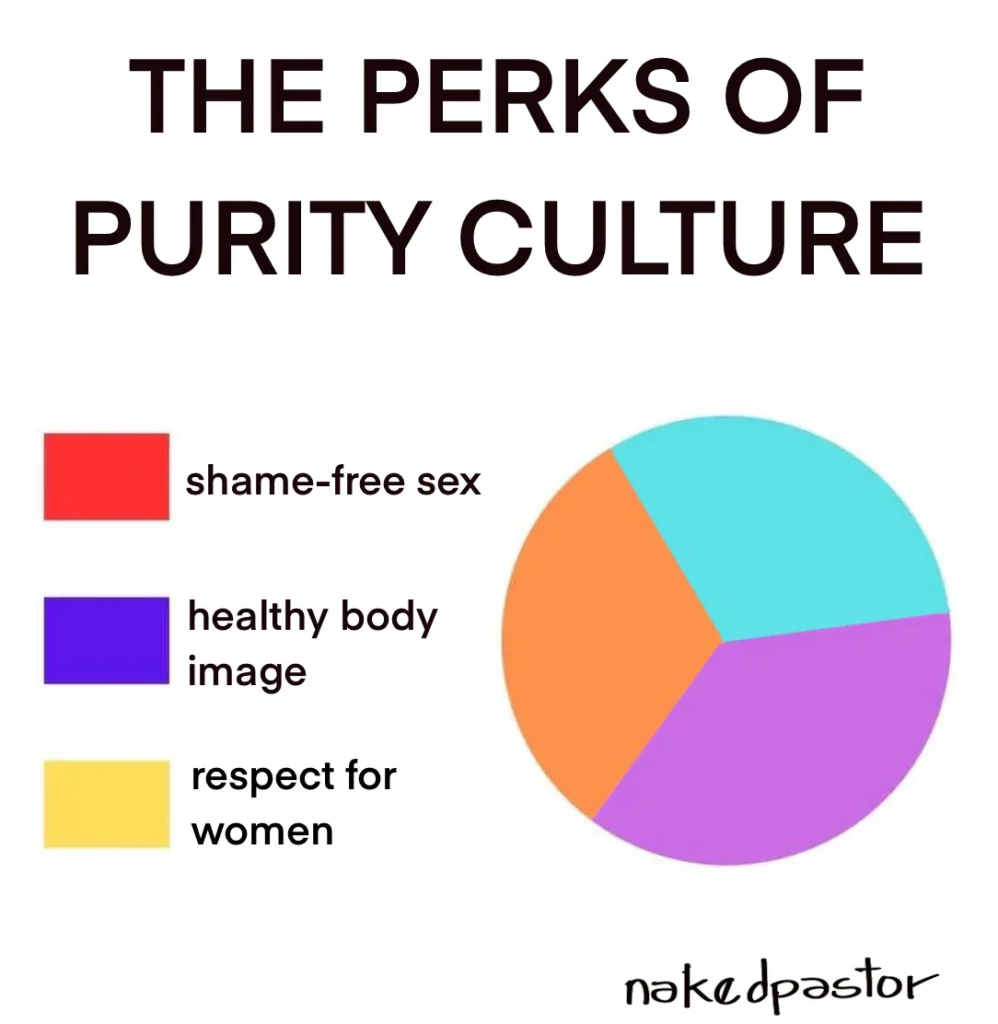
The purity culture myth carried a heavy emotional cost. Shame became a silent companion for many who grew up in it. Some learned to fear their own bodies. Others felt unprepared for intimacy in marriage because desire had always been linked to sin.
Women experienced anxiety, guilt, and even pain around sexuality because purity culture taught them to bury normal human feelings. The purity culture movement caused emotional confusion in men because it insisted they were ruled by temptation. Those teachings carved spiritual wounds that continued long after the youth groups stopped meeting.
What Jesus Actually Taught
Jesus never defined purity through virginity, dress codes, or rigid behavioral rules. Jesus consistently stepped toward people whom religious systems had shamed, dismissed, or labeled “impure.” He grounded His invitation to purity in the heart rather than the body.
But, when Jesus met people judged by their communities, He responded with dignity and compassion. Jesus protected the woman caught in adultery. He spoke truth without humiliation to the Samaritan woman at the well. He called the woman with the issue of blood “daughter” instead of “unclean.” His approach revealed a kind of purity culture that looks nothing like the movement we grew up with.
In Jesus’ kingdom, purity means living with integrity, compassion, and love — not living in fear of desire or punishment.
The Gospel is Freedom
The purity culture myth reduced holiness to rule-keeping. Jesus redefined holiness as wholeness. He did not come to control us through fear. He came to set us free through love. Worth is never earned through sexual behavior, and identity is never lost through mistakes.
So, if purity culture told you that you were damaged, Jesus calls you beloved. If it taught you to fear your humanity, Jesus invites you into freedom. The purity culture myth is not the Gospel. Freedom is — and that freedom is still yours today.
Comments are closed